
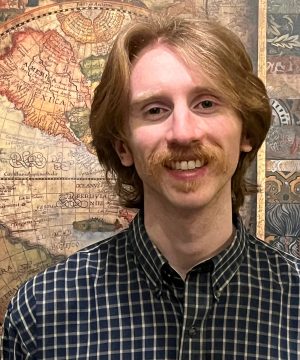
Alex’s path into speech-language pathology has been shaped by long-term personal experience with fluency therapy and a sustained commitment to understanding communication from the inside out. His interest in the field grew not from a single moment, but from years of navigating what it means to communicate when speech is effortful, and from recognizing the difference thoughtful, evidence-based support can make over time.
Now a master’s student in Speech-Language Pathology at the University of Texas at Dallas, his clinical interests center on fluency disorders, particularly the neurological and motor-speech mechanisms underlying stuttering. He is especially interested in how fluency-shaping approaches such as whispered speech, syllable-timed speech, and delayed auditory feedback can be integrated with fluency modification strategies to support individualized, functional communication.
Before entering graduate training, Alex worked as a licensed Speech-Language Pathology Assistant in a pediatric private practice serving families in South Dallas, where access to consistent speech-language services and continuity of care can be difficult to sustain. In that setting, supervised clinical experience and ongoing feedback shaped his approach to care. Looking ahead, he intends to pursue practice in high-need settings, including public schools, and approaches graduate education not as a starting point, but as the next step in a carefully built professional trajectory.
For most of my life, speaking felt like something I had to brace myself for. Stuttering shaped how I engaged with the world, and silence often felt safer. Fluency therapy gave me the tools to more confidently express myself. Over the course of nearly a decade, I learned strategies that gave me greater control over my speech and affirmed the idea that my communication and self-worth are not contingent on fluency. Therapy didn’t erase stuttering, but it changed my relationship with it.
Speech-language pathology began to feel like a natural career path. I became deeply interested in the treatment and research of fluency disorders, particularly how techniques like whispered speech, syllable-timed speech, and delayed auditory feedback relate to the motor-speech mechanisms involved in regulating speech timing. I’ve also learned the importance of counseling within our scope of practice, especially as fluency affects confidence, participation, and self-advocacy.
Working as an SLPA before graduate school helped turn those interests into meaningful clinical practice. Under supervision, I saw how progress often happens slowly and how much client and family trust matters in intervention. I learned how collaboration, feedback, and reflection shape good clinical judgment, and how important continuity of care can be—especially in environments like public schools, where access to speech-language services and long-term support can be difficult to maintain.
I carry these experiences with me as I continue growing in this field. I want to be a clinician who listens carefully, understands the complexities of communication disorders, and serves to the best of my ability.
Alex’s formation reflects the core commitments of the Clinical Pathways Scholarship: sustained dedication to the field, thoughtful engagement with evidence-based practice, and a clear orientation toward service. His clinical interests are rooted not only in the mechanics of fluency intervention, but in supporting individuals and families navigating communication challenges with patience, care, and integrity.
The SpeechTherapy.com Clinical Pathways Scholarship exists to recognize and support developing clinicians whose professional formation reflects sustained commitment, clinical integrity, and a heart for service. Over time, the scholarship seeks to encourage pathways that bring high-quality speech-language services to areas where consistent access to care remains out of reach for many families. By investing in clinicians who are guided by responsibility and long-term service, the program aims to contribute to a more equitable distribution of communication support.

Schools close accounts. Employers change. Your @speechtherapy.com email address can stay with you throughout your career.
Join the Founding List for early access to claim your preferred address. Our first two $5,000 graduate scholarships have already been awarded, and future memberships will help fund more.
No payment is required today. We’ll contact you when founding membership opens.